

Home | Gear Boxes
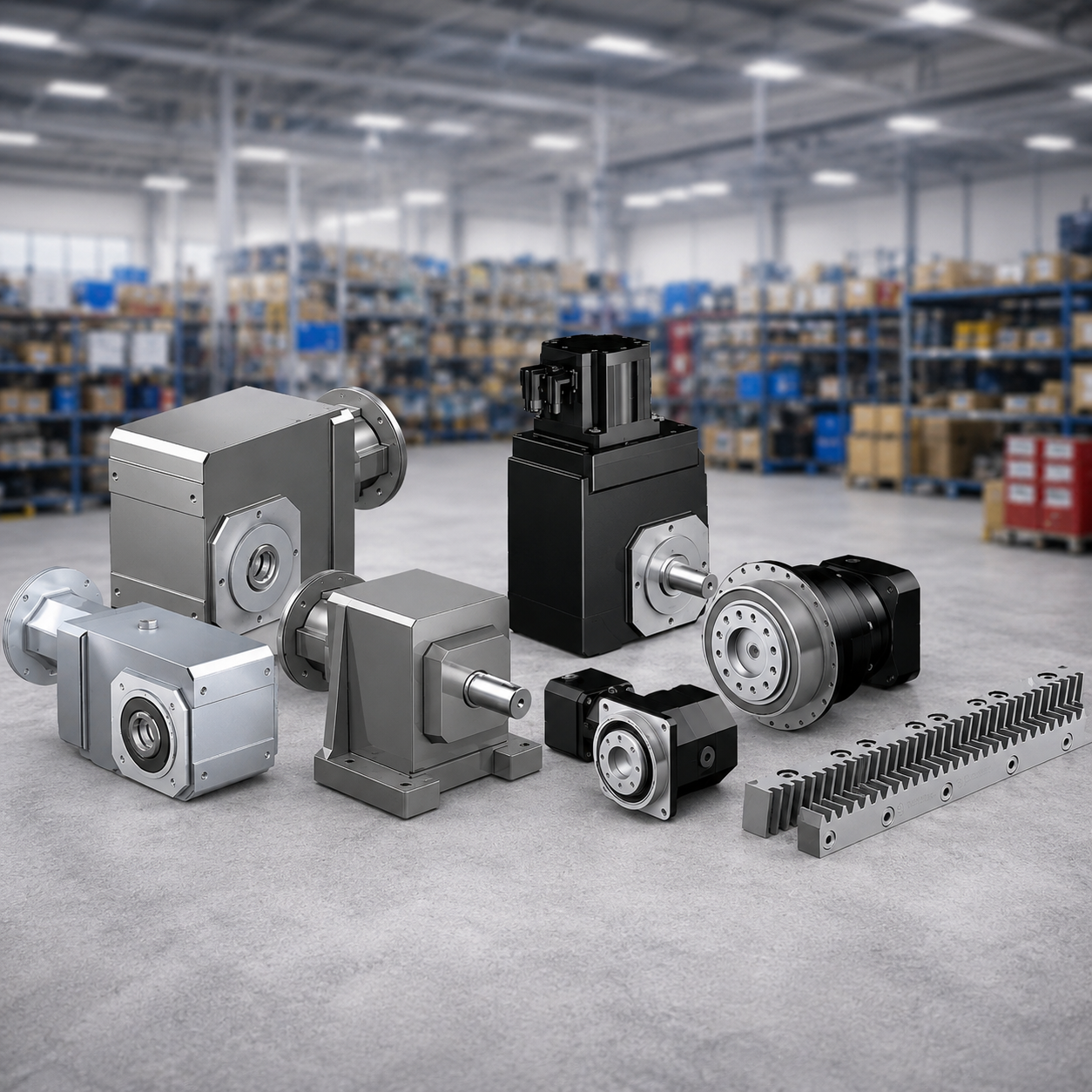


Deshanjay Exports Pvt. Ltd. is prominent Gear Box Manufacturers in India. We are trusted suppliers, dealers, traders and exporters in India. Having 30+ years’ experience, we pride ourselves on delivering premium quality Gear Boxes with unmatched reliability and cost-effective pricing.
We are committed to serving industries with mechanical industrial gearboxes, custom gearboxes, and precision-driven solutions. With a focus on quality, affordability, and capability, we ensure every product meets rigorous industry standards.
Our expertise spans design, manufacturing, and supply of high-performance gear drive systems, making us the preferred choice for businesses seeking durability, efficiency, and top-notch power transmission gearboxes.
A Gear Box is a mechanical device that adjusts the output speed and torque from a motor to the desired performance level of a machine. It is a critical component in industries like manufacturing, automotive, and material handling. Gear boxes ensure efficient power transmission between the driving source and the driven equipment, enhancing operational productivity and mechanical reliability. With applications across heavy-duty machinery and industrial drive gearboxes, they are indispensable for modern industrial operations.
Our manufacturing process focuses on accuracy, durability, proper assembly and reliable performance.
Different gearbox types are designed for specific speed, torque, efficiency, reduction ratio, control, and application requirements. The following table provides an indicative technical comparison of Manual, Automatic, CVT, DCT, Planetary, Worm, Helical, Spur, Bevel, and Cycloidal gearboxes.
| Parameter | Manual Gearbox | Automatic Gearbox | CVT | DCT | Planetary / Epicyclic | Worm Gearbox | Helical Gearbox | Spur Gearbox | Bevel Gearbox | Cycloidal Gearbox |
|---|---|---|---|---|---|---|---|---|---|---|
| Category | Automotive / Mechanical Transmission | Automotive / Automatic Transmission | Automotive / Continuously Variable Transmission | Automotive / Automated Transmission | Automotive / Industrial Gear Mechanism | Industrial / Right-Angle Speed Reducer | Industrial / Gear Reducer | Industrial / Parallel-Shaft Gearbox | Industrial / Angular Gearbox | Industrial / Precision High-Reduction Gearbox |
| Main Components | Clutch, input shaft, countershaft, gears, synchronizers, selector mechanism, output shaft | Torque converter, planetary gearsets, clutches, brakes, hydraulic valve body, electronic controls | Primary pulley, secondary pulley, belt or chain, actuator, control unit | Two clutches, two input shafts, gear pairs, synchronizers, mechatronic control unit | Sun gear, planet gears, planet carrier, ring gear | Worm shaft, worm wheel, housing, bearings, lubrication system | Helical gears, shafts, bearings, housing, lubrication system | Spur gears, shafts, bearings, housing | Bevel gears, shafts, bearings, housing | Eccentric shaft, cycloidal disc, ring pins, output rollers or pins, housing |
| Working Principle | Driver manually selects fixed gear ratios using the clutch and gear lever. | Hydraulic and electronic controls automatically select gear ratios; the torque converter transfers engine power. | Variable-diameter pulleys continuously change the effective transmission ratio. | Two clutches separately control odd and even gear sets, allowing rapid gear changes. | Planet gears rotate around the sun gear while transmitting torque through selected input, output, and reaction members. | A screw-like worm drives a toothed worm wheel to achieve high speed reduction. | Angled teeth engage progressively, providing smooth torque transmission and load distribution. | Straight teeth mesh directly between parallel shafts to transmit torque and speed. | Conical gears transfer power between intersecting shafts, commonly at 90°. | An eccentric input causes the cycloidal disc to orbit against fixed ring pins, producing high reduction and low-speed output. |
| Ratio Type | Fixed ratios | Multiple fixed ratios | Continuously variable | Multiple fixed ratios | Fixed / compound ratios | Fixed reduction | Fixed reduction | Fixed reduction | Fixed reduction | Fixed high reduction |
| Typical Ratio / Reduction | Approx. 3:1–6:1 overall transmission spread | Approx. 2:1–8:1 overall transmission spread | Approx. 2:1–3.5:1 ratio spread | Approx. 4:1–8:1 overall transmission spread | Approx. 2:1–10:1 per stage, design dependent | Approx. 5:1–100:1+ | Approx. 3:1–300:1+ for multi-stage arrangements | Approx. 2:1–10:1 per stage | Approx. 1:1–6:1 per stage | Approx. 10:1–100:1+ |
| Typical Input Speed | Approx. 2,000–7,000 RPM | Approx. 1,000–7,000 RPM | Approx. 1,500–7,000 RPM | Approx. 1,500–8,000 RPM | Up to approximately 10,000 RPM, design dependent | Approx. 500–3,000 RPM, application dependent | Approx. 750–3,000 RPM for many industrial applications | Approx. 750–3,000 RPM for many industrial applications | Approx. 750–3,000 RPM for many industrial applications | Approx. 500–3,000 RPM, application dependent |
| Typical Output Speed | Approx. 500–3,500 RPM | Approx. 300–3,500 RPM | Continuously variable | Approx. 500–4,000 RPM | Application dependent | Approx. 5–600 RPM | Approx. 10–1,500 RPM | Approx. 100–3,000 RPM | Approx. 50–2,000 RPM | Approx. 5–300 RPM |
| Typical Torque Capacity | Approx. 100–800+ Nm, application dependent | Approx. 150–1,500+ Nm, application dependent | Approx. 100–400 Nm, design dependent | Approx. 150–800+ Nm, application dependent | Approx. 10–100,000+ Nm, size and design dependent | Approx. 10–10,000 Nm, size dependent | Approx. 20–50,000 Nm, size dependent | Approx. 1–10,000 Nm, size dependent | Approx. 10–50,000 Nm, size dependent | Approx. 50–50,000+ Nm, size dependent |
| Typical Power Range | Approx. 20–500+ kW, application dependent | Approx. 50–500+ kW, application dependent | Approx. 20–250 kW, design dependent | Approx. 50–500+ kW, application dependent | Approx. 0.1–1,000+ kW, size dependent | Approx. 0.05–100 kW, size dependent | Approx. 0.1–500+ kW, size dependent | Approx. 0.01–200 kW, size dependent | Approx. 0.1–500+ kW, size dependent | Approx. 0.1–500+ kW, size dependent |
| Typical Efficiency | 90–97% | 85–95% | 85–93% | 90–97% | 94–98% | 50–90%, depending on ratio and design | 94–98% per stage | 95–99% per stage | 90–98% | 80–95% |
| Speed Capability | High | High | Medium–High | Very High | Low–High | Low–Medium | High | Very High | Medium–High | Low–Medium |
| Shifting / Control | Manual; driver controlled | Fully automatic | Automatic / continuous ratio control | Automatic / electronically controlled | Manual, automatic, or integrated control depending on system | Fixed reduction | Fixed reduction | Fixed reduction | Fixed reduction | Fixed reduction |
| Clutch / Coupling Arrangement | Driver-operated clutch | Torque converter and internal clutches | Automatic engagement system; design dependent | Two clutches | Application dependent | Direct / coupled input | Direct / coupled input | Direct / coupled input | Direct / coupled input | Direct / coupled input |
| Shaft Arrangement | Usually parallel shafts | Usually coaxial | Parallel or coaxial, design dependent | Parallel or coaxial | Coaxial | Usually 90° / offset | Parallel or coaxial | Parallel shafts | Usually 90° intersecting shafts | Coaxial |
| Noise Level | Medium | Low–Medium | Low | Low–Medium | Low | Low–Medium | Low | Medium–High at high speed | Low–Medium | Low |
| Precision / Backlash | Medium | Medium | Low–Medium | Medium–High | Low–Medium, design dependent | Medium–High backlash | Low–Medium backlash | Medium | Low–Medium | Very low backlash possible |
| Shock Load Capability | Good | Very Good | Moderate | Good | Excellent | Good | Excellent | Moderate | Good | Excellent |
| Self-Locking | No | No | No | No | No | Possible at certain ratios and geometries | No | No | No | No |
| Lubrication | Gear oil / transmission fluid | Automatic transmission fluid (ATF) | Specialized CVT fluid | Specialized DCT fluid | Gear oil / grease, design dependent | Industrial gear oil | Industrial gear oil | Gear oil / grease | Gear oil | Gear oil / grease |
| Heat Generation | Low–Medium | Medium | Medium | Medium | Low–Medium | Medium–High at high ratios | Low–Medium | Low–Medium | Medium | Medium |
| Maintenance Requirement | Low–Medium | High | Medium–High | High | Medium–High | Low–Medium | Medium | Low | Medium | Medium–High |
| Relative Cost | Low | High | Medium–High | High | Medium–High | Low–Medium | Medium | Low | Medium | High |
| Main Advantages | Simple, efficient, economical, easy to service, good fuel economy | Easy to drive, smooth operation, high torque capability | Smooth acceleration, good fuel efficiency, continuous ratio control | Very fast shifting, high efficiency, quick response | Compact, high torque density, load sharing, multiple ratios | High reduction, compact, quiet operation, possible resistance to back-driving | Smooth, quiet, high load capacity, efficient continuous operation | Simple, economical, efficient, easy to manufacture | Efficient right-angle transmission and compact arrangement | High reduction, precision, shock resistance, low backlash |
| Typical Applications | Cars, motorcycles, trucks, agricultural and industrial machines | Cars, SUVs, buses, trucks, commercial vehicles | Cars, scooters, motorcycles, hybrid vehicles | Passenger cars, performance cars and sports vehicles | Automobiles, robotics, wind turbines, heavy machinery and industrial drives | Conveyors, elevators, hoists, gates, lifts, actuators and material handling | Conveyors, pumps, compressors, mixers and industrial machinery | Machine tools, gear pumps, conveyors, simple machinery and speed reducers | Vehicle differentials, conveyors, mixers and industrial drives | Robotics, CNC machines, automation, servo drives and positioning systems |
| Best Suited For | Low-cost, driver-controlled transmission | Comfortable and easy vehicle operation | Smooth and fuel-efficient variable-speed operation | Fast shifting and high-performance applications | Compact, high-torque and multi-ratio systems | High reduction and right-angle applications | Heavy-duty, quiet and continuous industrial operation | Simple, efficient mechanical drives | Right-angle power transmission | Precision, high-reduction and shock-load applications |
Note: Numerical values shown above are indicative engineering ranges for general comparison and are not universal ratings. Actual gearbox performance depends on gearbox size, manufacturer, gear geometry, materials, lubrication, duty cycle, operating speed, load, service factor, mounting arrangement, cooling, and application requirements.
The gearbox was operating continuously under heavy load conditions, running for extended duty cycles without adequate rest periods. The application involved high ambient temperatures and limited airflow around the gearbox housing, which further restricted natural heat dissipation during operation.
Operating temperature consistently exceeded the expected/rated range for the unit, indicating a thermal management issue rather than a mechanical failure. Surface temperature readings at the housing were significantly above the safe operating threshold, and the rise in temperature was observed to accelerate during peak load periods.
Reviewed the load, lubrication, alignment and operating conditions in detail, and recommended the appropriate gearbox configuration along with a suitable lubrication upgrade matched to the operating temperature range. This included verifying the gearbox sizing against actual load demand, checking oil viscosity grade suitability for the ambient and operating conditions, confirming correct oil fill level, and correcting minor alignment deviations between the gearbox and connected equipment. Ventilation around the gearbox housing was also reviewed to support better heat dissipation.
Operating temperature improved and brought within normal range; stable and consistent machine performance restored. The corrected configuration allowed the gearbox to operate reliably under continuous heavy-load conditions without recurring thermal trips.
Abnormal noise was noticed during routine machine operation, drawing attention during normal production runs. The noise was intermittent at first but gradually became more consistent as the machine continued to run under normal operating conditions.
Noise level increased proportionally with operating speed, suggesting a speed-dependent mechanical source. This pattern pointed toward a possible issue in gear meshing, bearing condition, or shaft alignment rather than a random or load-dependent fault.
Checked gear engagement, bearing condition, lubrication quality, and shaft alignment, and addressed the identified issue at its source. The inspection process involved verifying gear tooth contact pattern and backlash, assessing bearing play and rotation smoothness, checking lubricant for contamination or degradation, and confirming shaft alignment using precision alignment methods. The identified root cause was corrected accordingly to eliminate the noise source.
Operating noise reduced and gearbox performance running smoothly. The corrected unit now operates within normal acoustic levels across the full speed range, with no recurrence of the abnormal noise.
Oil leakage was observed around the gearbox housing during operation. The leakage was noticed gradually through oil stains and residue accumulating near the sealing and joint areas of the unit.
Lubricant was leaking from the sealing area, resulting in continuous fluid loss. The leak point was traced to specific seal and joint locations where lubricant was escaping under normal operating pressure and temperature conditions.
Inspected the seals, joints and oil level, and replaced or corrected the affected components as needed. This included checking seal condition for wear, hardening or improper seating, verifying gasket and joint surfaces for damage, confirming the oil fill level against the recommended specification, and checking the breather for proper pressure equalization to prevent recurrence of the leak.
Leakage controlled and proper lubrication level maintained. The gearbox now retains oil within the correct operating range with no visible leakage during continued operation.
Increased vibration was observed during gearbox operation. The vibration was noticeable both at the gearbox housing and across the connected machine structure during normal running conditions.
The gearbox was not running smoothly, indicating a mechanical imbalance or alignment issue. The vibration pattern suggested a possible link to mounting rigidity, shaft alignment accuracy, or internal component condition.
Checked mounting, shaft alignment, bearings and gear condition, and corrected the installation or component issue identified. This involved verifying mounting bolt tightness and foundation rigidity, checking angular and parallel shaft alignment, inspecting bearing condition for wear or play, and assessing gear condition for any signs of damage contributing to the imbalance.
Vibration reduced and machine operation stabilized. The gearbox now runs within acceptable vibration limits, supporting smoother and more reliable machine performance.
The gearbox was unable to deliver the required machine output. Despite normal motor operation, the connected equipment was not performing at the expected production capacity.
Output torque was lower than the application requirement. A review indicated a possible mismatch between the installed gearbox's rated capacity and the actual torque demand of the driven equipment.
Reviewed motor power, load requirements and gear ratio, and selected a more suitable gearbox configuration matched to the application. The evaluation included calculating the actual torque demand of the driven machine, verifying motor power rating and speed, and comparing these against the existing gearbox specification and service factor before recommending a correctly sized replacement or ratio adjustment.
Required torque achieved with improved overall machine performance. The corrected gearbox configuration now delivers output matched to the application's production requirements.
Gear teeth showed abnormal wear after a period of operation. The wear was noticed earlier than the expected service life of the gearbox, prompting closer inspection.
Gear components were wearing faster than expected for the rated service life. The wear pattern indicated a possible link to operating load, lubrication condition, or alignment accuracy rather than a material defect.
Reviewed the operating load, lubrication, alignment and gear condition, and recommended corrective measures accordingly. This included assessing actual operating load against the gearbox's rated capacity, checking lubricant type, condition and contamination level, verifying shaft alignment, and examining the gear tooth wear pattern to identify the underlying root cause before implementing the corrective action.
Gearbox operation improved with reduced wear and maintenance requirements. The corrected operating conditions have helped restore gear wear to within the expected service life range.
Gear boxes are widely used across automotive, industrial, agricultural, construction, marine, and automation industries. They help control speed, increase torque, change the direction of power transmission, and provide efficient mechanical power transfer according to application requirements.
As Gear Box Dealers in India, we manufacture high-performance gearboxes with advanced engineering, durability, and reliable power transmission capabilities.
As Gear Box Traders in India, we provide gearbox solutions that enhance efficiency, reduce operating costs, and support long-term equipment reliability.
Choose Deshanjay Exports Pvt. Ltd. is trusted Gear Box Manufacturers in India. We are Suppliers, Dealers, Traders and Exporters in India. We are dedicated to delivering high-performance Gear Boxes that combine durability, efficiency, and dependable operation. With our commitment to quality manufacturing, competitive pricing, and customized solutions, we help industries achieve seamless power transmission, improved productivity, and long-term operational success across diverse applications. Get in touch with us for further details.
Gear Boxes are used to transfer power, control speed, and adjust torque between a motor and machinery, ensuring smooth and efficient operation in industrial and automotive applications.
The three main types are manual, automatic, and semi-automatic gearboxes, each designed for specific mechanical or automotive power transmission needs.
The four common gear systems are spur, helical, bevel, and worm gears, used to transmit motion and torque efficiently in machinery.
The best gearbox depends on the application; for industrial use, helical, planetary, and bevel helical gearboxes are preferred for efficiency, durability, and high torque performance.